When My Name Came Home: Finding Umoja in East Africa
How a journey through Kenya and Tanzania became a journey into family legacy.
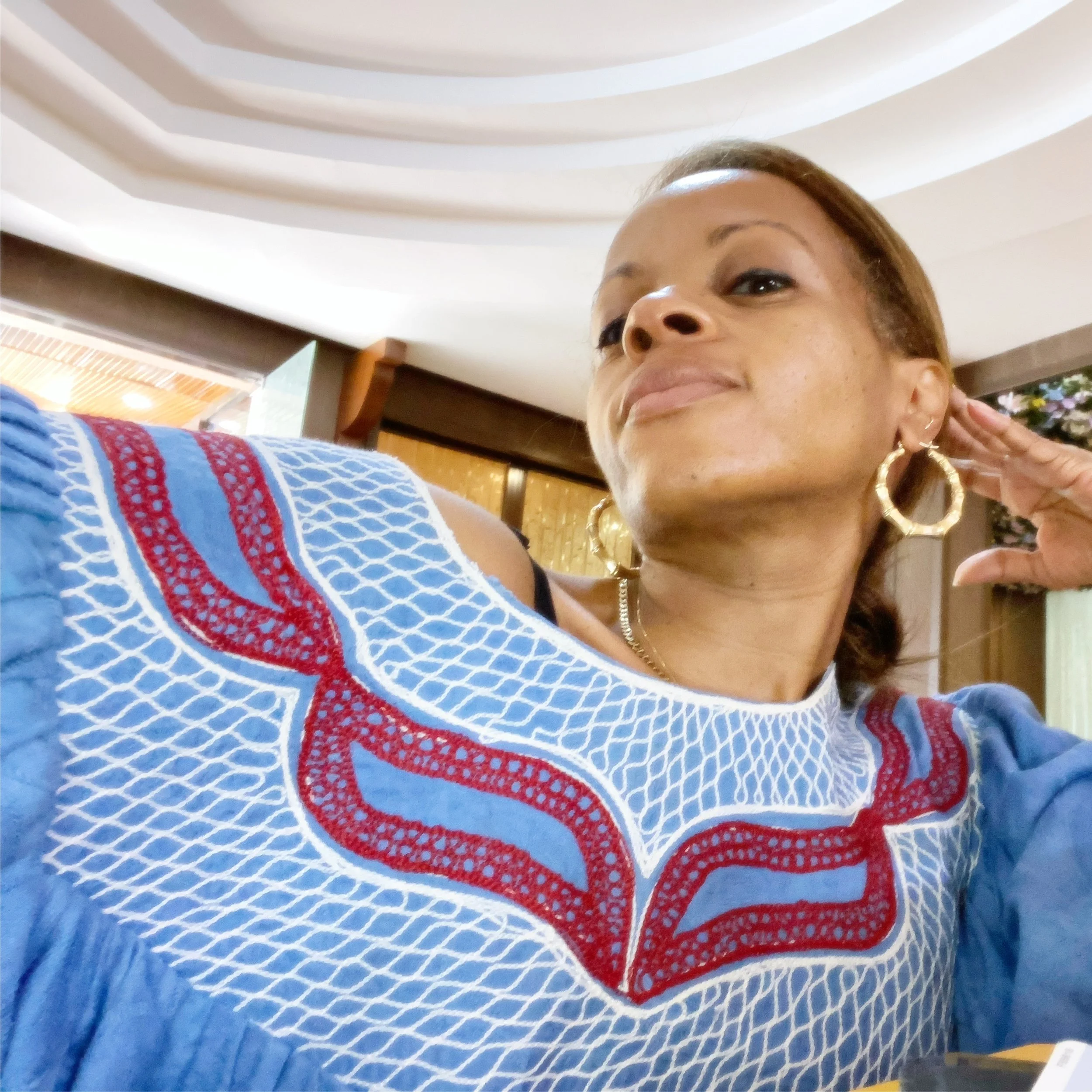
Pictured (above) in Kenya
Travel has a remarkable way of revealing parts of ourselves we didn't know were waiting to be discovered.
For me, that revelation began not with a breathtaking landscape or an unforgettable meal, but with my passport.
At immigration checkpoints, hotel receptions, and conference registration tables throughout Kenya and Tanzania, the interaction often unfolded the same way. An official would glance at my U.S. passport, pause at my last name, smile warmly, and ask,
"Your name is Swahili?!"
There was always surprise in their voice.
An American passport.
A distinctly East African surname.
Then came the smile.
Sometimes a conversation.
Always an immediate connection.
Before I ever explained why I had traveled to East Africa, my name had already introduced me.
That simple exchange became one of the most meaningful experiences of my journey.
A Name with a Story
My surname is not an accident.
It is an inheritance.
My father was born Kenneth Freeman in Oakland, California. During the 1970s, amid the cultural awakening and self-determination inspired by the Black Power Movement—a movement with deep roots in his hometown of Oakland—he made the profound decision to reclaim an African identity.
He became Mamadou Lumumba-Umoja.
Like many African Americans during that era, changing his name was more than a personal choice. It was a declaration of identity, heritage, dignity, and connection to a history that slavery had sought to erase.
Growing up, I understood that my name carried meaning.
But it wasn't until I traveled through East Africa that I understood how deeply it carried recognition.
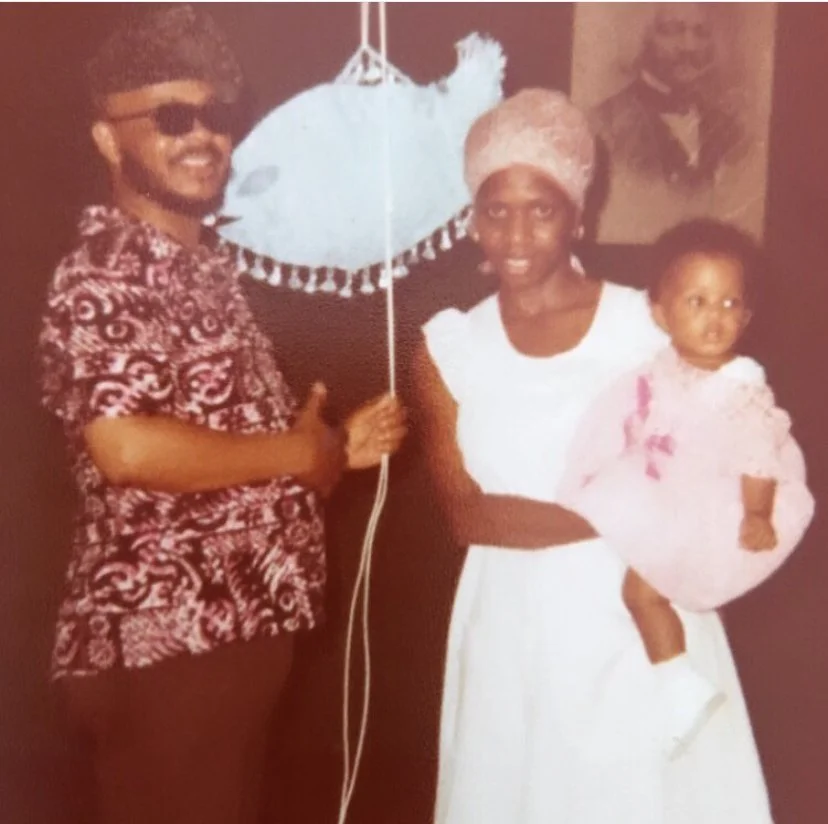
Umoja = Unity
A throwback photo with my parents (Mamadou Lumumba-Umoja and Barbara Best) during my first birthday, celebrated in Los Angeles, California.
More Than a Translation
I have always known that umoja means "unity" in Swahili.
Yet hearing the word spoken naturally throughout Kenya and Tanzania was unlike anything I expected.
It wasn't reserved for ceremonial moments.
It appeared in everyday conversations.
On signs.
In greetings.
In discussions about community.
Each time I heard it, I smiled.
For the first time, my last name wasn't something people struggled to pronounce or asked me to explain.
Instead, it was immediately understood.
It belonged.
In many ways, I felt that I did too.
Beginning in Nairobi
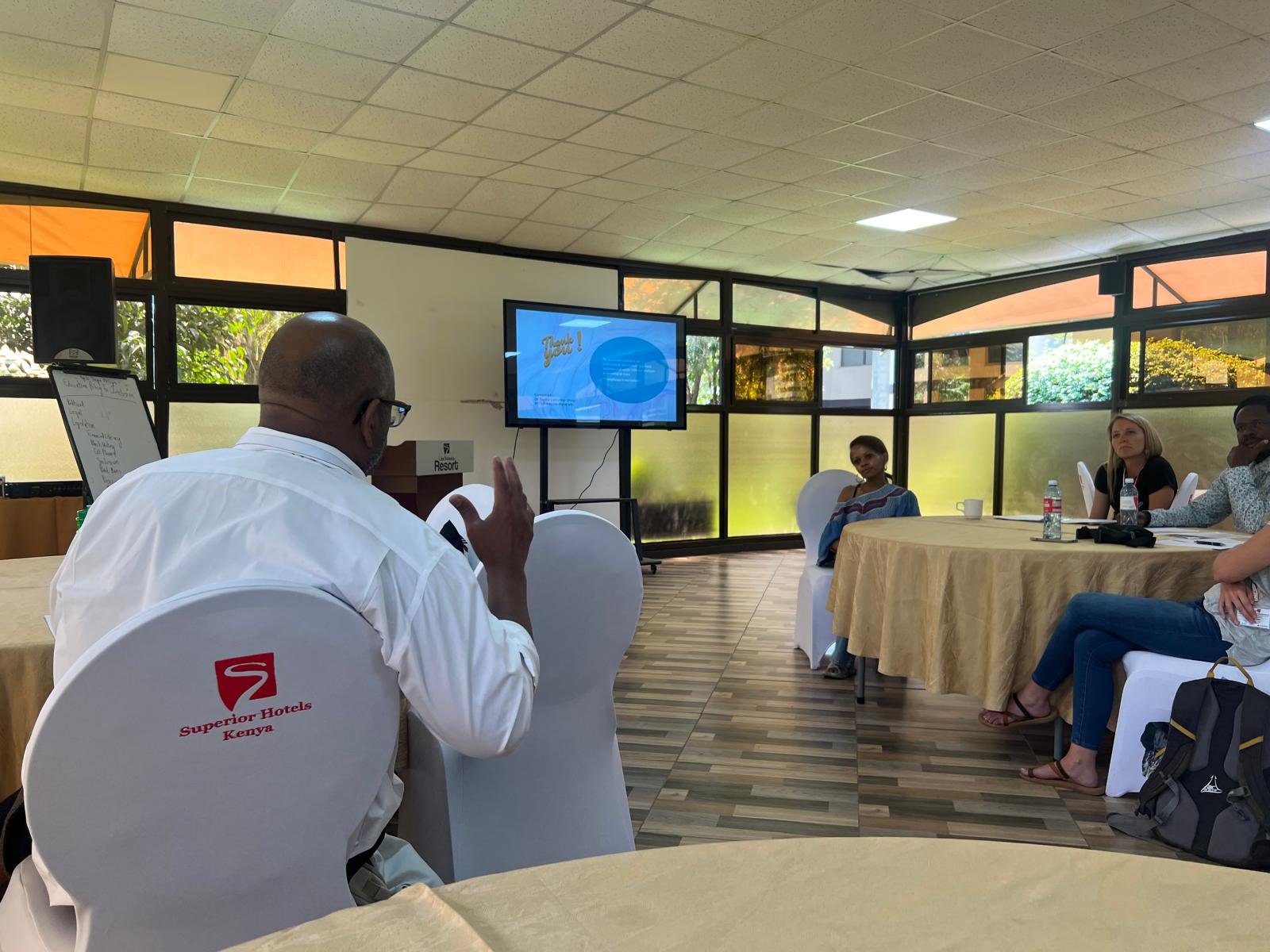
My journey began in Nairobi, where I had the honor of presenting at the Division of International Special Education and Services (DISES) International Conference.
The conference theme—"Harambee: Building Bridges to Support Inclusive Education Around the World"—felt especially fitting.
Harambee means pulling together.
Umoja means unity.
Together, they captured the values that have shaped both my family's story and my life's work.
Presenting my session, Centering Cultural Awareness and Community: Reimagining Social Emotional Learning for Equity and Inclusion of Students with Disabilities, was one of the highlights of the trip. But as meaningful as it was to share my research, I found myself learning just as much from educators throughout Kenya and across the globe.
Their commitment to students reminded me that inclusion is not merely an educational framework—it is a way of building community.
The Gift of Slowing Down
After Nairobi, I traveled to Lake Naivasha, where quiet mornings and expansive views of the Great Rift Valley offered time to reflect.
Watching hippos emerge from the water and listening to African fish eagles overhead, I thought about the generations before me who imagined Africa long before they ever had the opportunity to visit.
For many African Americans, Africa has long represented both history and possibility.
Standing there, I wasn't searching for roots.
I was appreciative of the relationship.
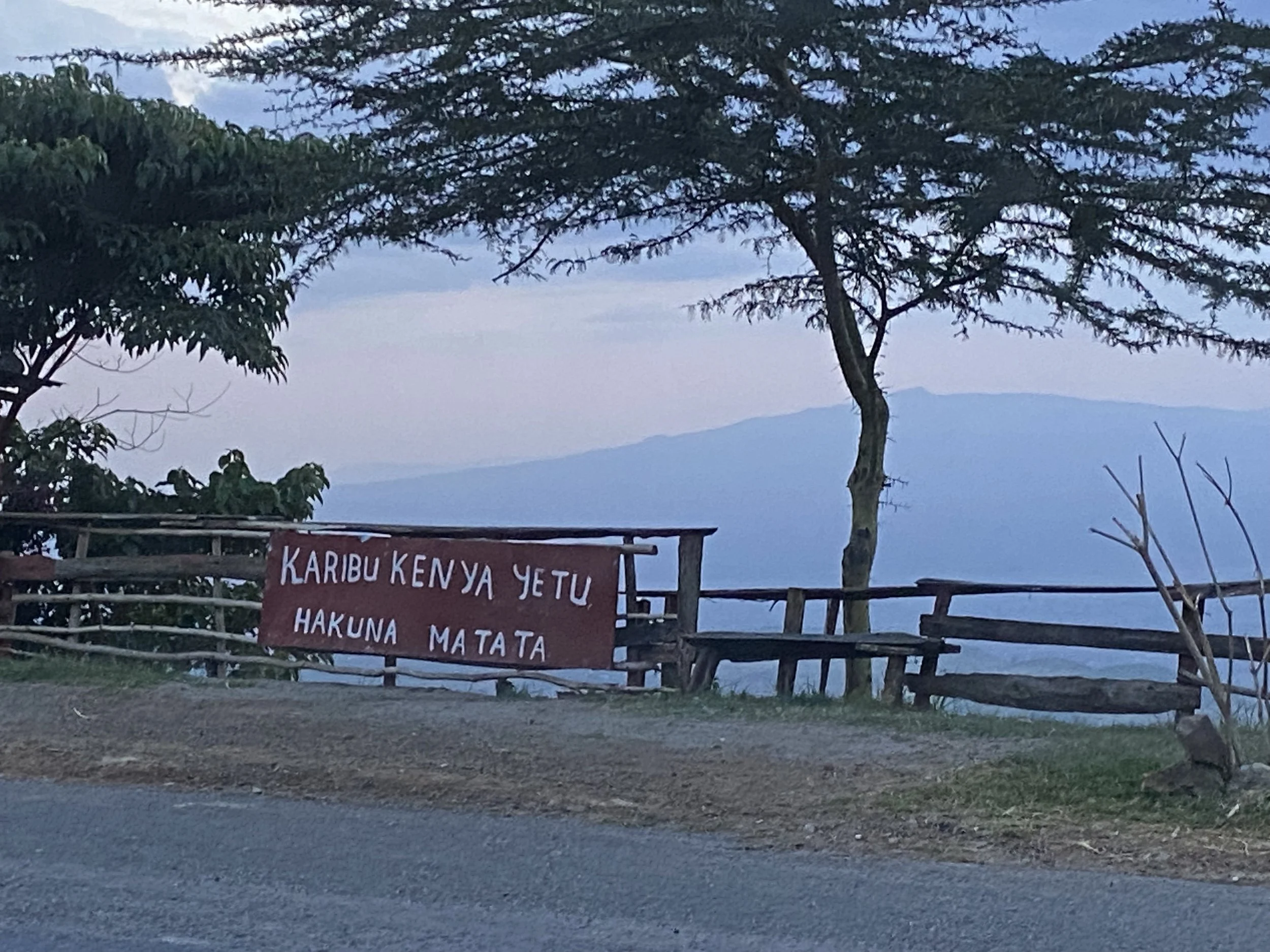
Great Rift Valley
Zanzibar: Lessons Beyond the Beach
Zanzibar captivated me for reasons far beyond its turquoise waters.
During our stay at Zanzibar’s greenest hotel, Hotel Verde Zanzibar, every day offered an opportunity to learn from the island's remarkable people and layered history.
One afternoon, we shared lunch with the Zanzibar Mamas, whose cooking became a lesson in culture, hospitality, and tradition. Around the table, recipes became family histories, and strangers quickly became friends.
Another day, local experts guided us through one of Zanzibar's celebrated spice farms, introducing us to the cloves, cinnamon, vanilla, turmeric, and cardamom that have earned the island its nickname, The Spice Island. Seeing these spices growing in the earth transformed familiar kitchen ingredients into living history.
Walking through Stone Town was equally unforgettable.
Its carved wooden doors, winding alleyways, and coral stone buildings tell stories of African, Arab, Indian, and European influence. Our guide also invited us to confront the island's painful history in the East African slave trade—a reminder that understanding a destination means embracing both its beauty and its truth.
A visit to Prison Island, with its giant Aldabra tortoises and complex past, completed a journey that continually balanced reflection with discovery.
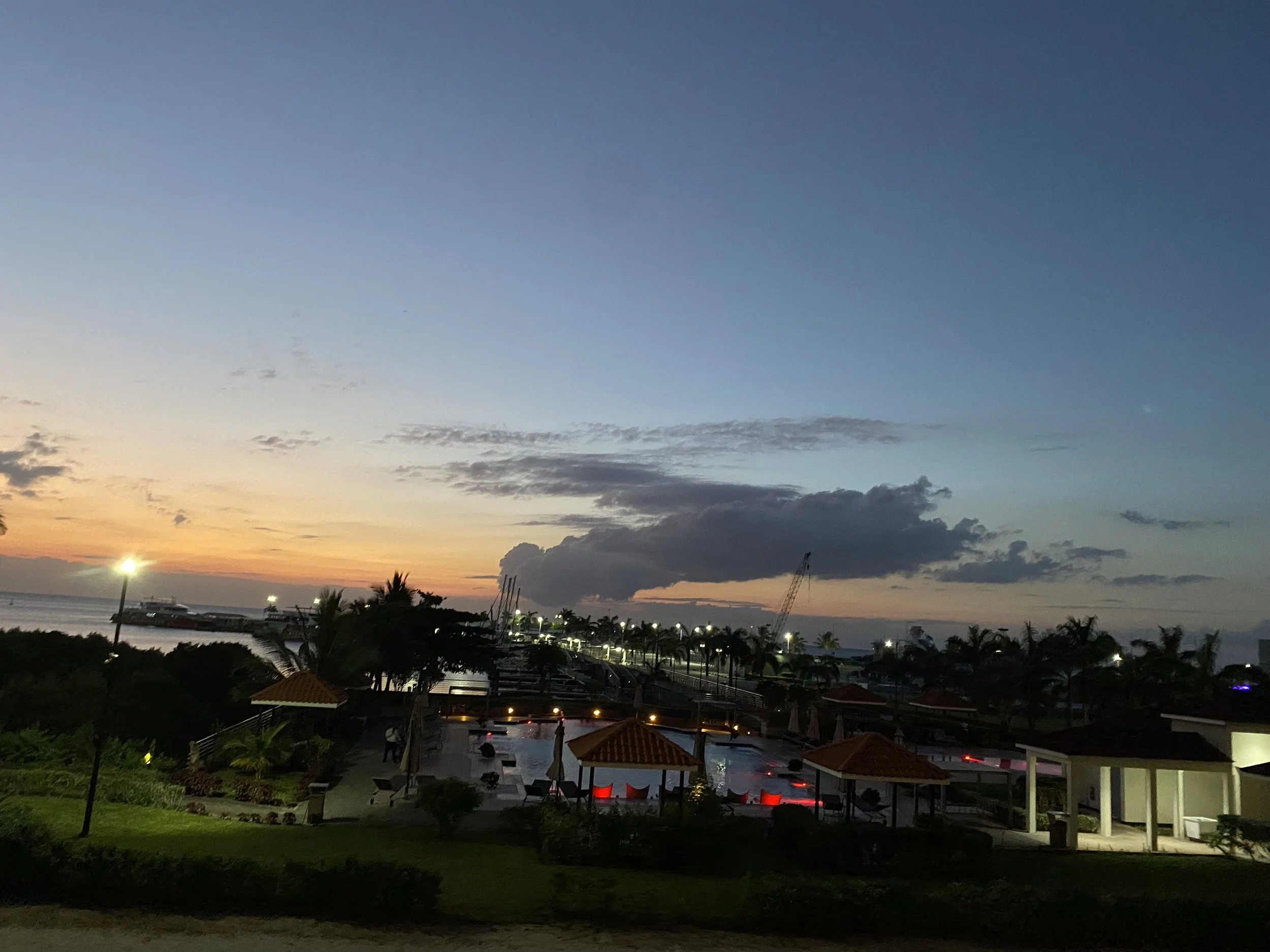
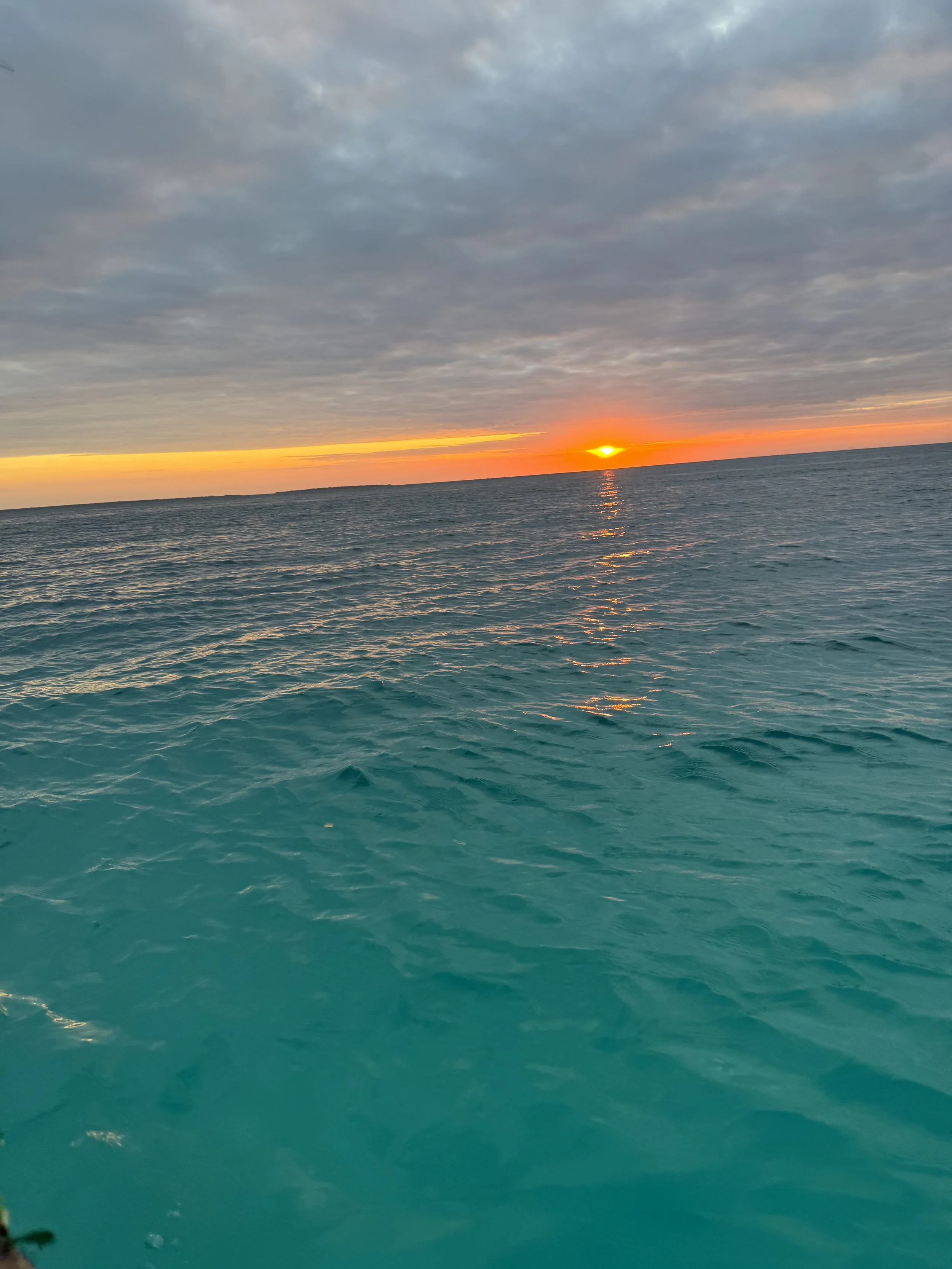
Evening view in Zanzibar
A Name That Opened Doors
What surprised me most wasn't simply how often people recognized my surname.
It was how quickly that recognition dissolved distance.
The moment someone saw Lumumba-Umoja, conversations changed.
People asked questions.
They shared stories.
Some wanted to know about my family.
Others simply smiled with a sense of familiarity.
In those moments, my name became more than an identifier.
It became an invitation.
An invitation to connect.
An invitation to talk about history, language, education, and shared values.
Travel often teaches us that we have more in common than we imagine.
My name reminded me of that every single day.
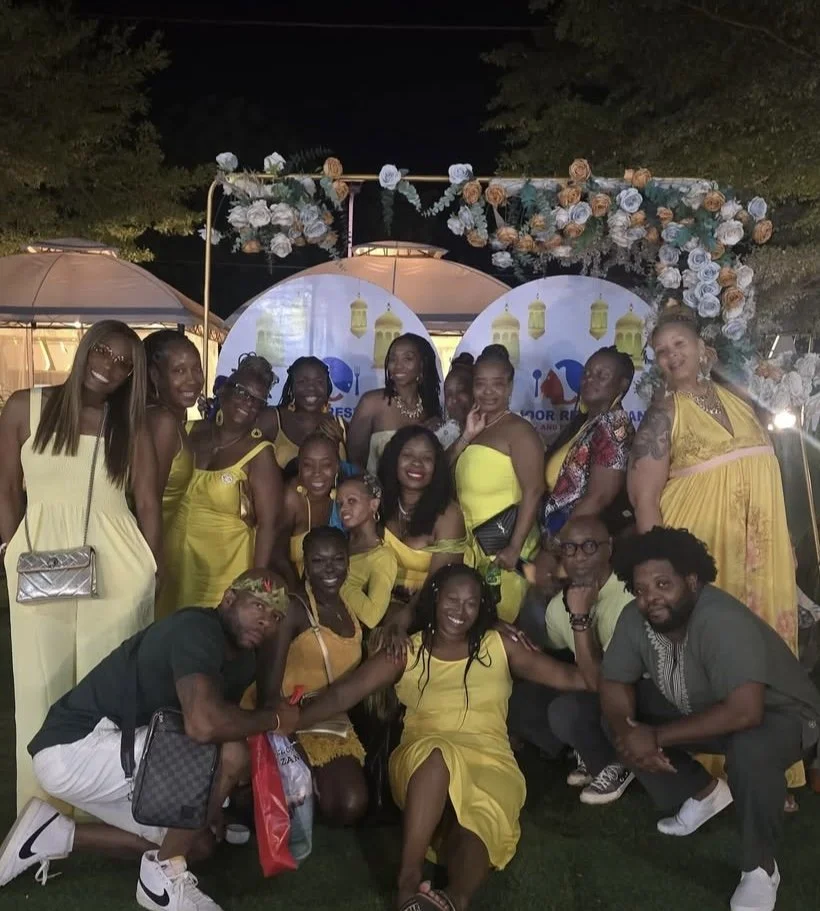
Pictured with friends celebrating life in Zanzibar, Tanzania
Coming Home to a Legacy
When my father chose the name Lumumba-Umoja, one may suspect that he could not have known that decades later his daughter would carry it across East Africa. However, I think he had an idea…as the future of Africans in the diaspora requires a connector to build and sustain unity. He knew that our names matter.
Now, my father could not have foreseen how this gift would be actualized…that immigration officers, educators, hotel staff, guides, and new friends would immediately recognize it as my experience revealed.
Or that one word—umoja—would create moments of warmth before a single conversation had begun.
His decision, rooted in the Black Power Movement's call for cultural affirmation and self-definition, became part of my own journey decades later.
It reminded me that names carry stories.
They carry hopes.
They carry history.
Sometimes, they even carry us home.
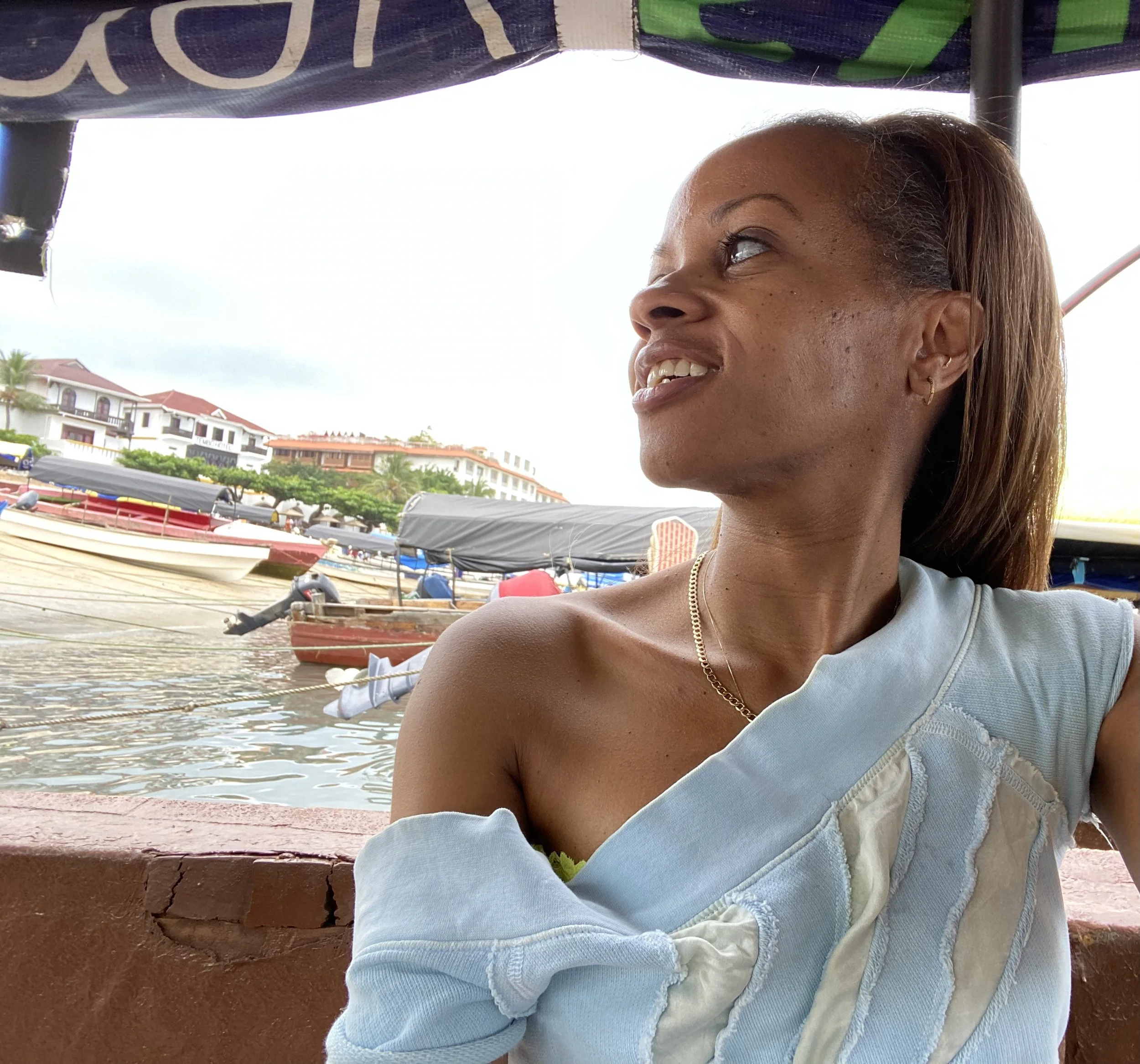
Serenity Under Zanzibar Skies 🇹🇿
The Journey That Stays With You
I returned from Kenya and Tanzania with photographs of wildlife, spice farms, historic streets, and the sparkling Indian Ocean.
But the memory I treasure most cannot be captured in a photograph.
It is the smile that appeared whenever someone looked at my passport and then looked back at me.
"Your name is Swahili?!"
Yes.
And thanks to my father, it always has been.
In East Africa, however, I discovered something even more meaningful.
For the first time, I experienced what it felt like for my name not only to be understood—but to be welcomed.
That is a gift I will carry long after the journey itself has ended.